Industrial Recycling Efficiency Powered by JYF Machinery Shredder Wear Parts
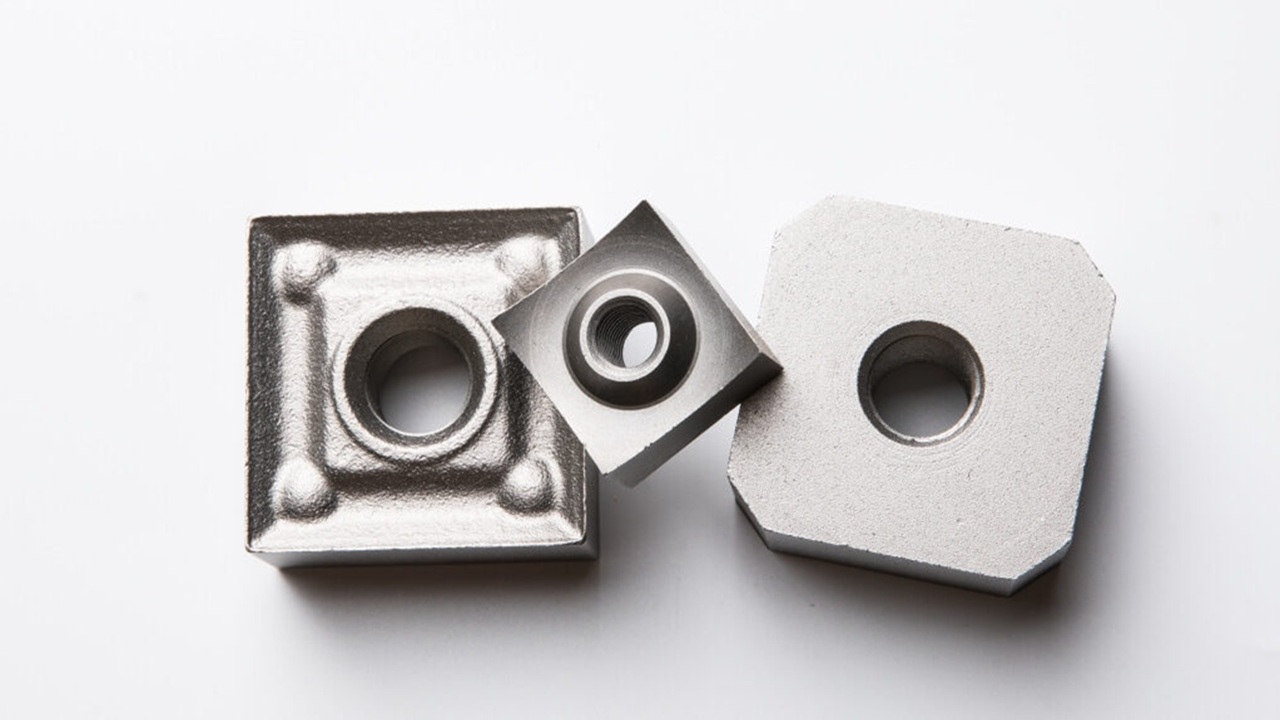
Recycling in industries requires machines that are stress, impact, and constant operation resistant. This process involves shedders in the center. They shred metal, plastic, wood, rubber and mixed waste materials into smaller pieces that are easily manageable. However, it is not the motor itself that makes the shredder perform fully. It is one of the sections which do the cutting and grinding. This is where JYF Machinery shredder wear parts will make a difference. The right wear parts enhance the throughput, minimize stoppages, and ensure the operating costs are within control.
The Role of Wear Parts in Shredding Systems
Wear parts that are in direct contact with materials are called Shredder wear parts. These are blades, cutters, hammers and liners. In the process, they are exposed to friction, impact, and heat. The lack of quality parts wears, becomes out of shape, and drops cutting force. That causes unbalanced production, increased energy consumption, and increased maintenance. The wear components of JYF Machinery shredder are designed to be able to sustain pressure in terms of edge strength and structural stability. The longer the cutting edges retain their form, the more repetitive the machine is in working with material. This enhances effectiveness in the entire system and maintains production targets.
How Material Quality Affects Recycling Output
One of the largest wear life factors is the choice of material. Low-grade steel blades used as shredders wear out easily and could break when subjected to heavy loads. The high turnover slows down operations and raises the cost of labor. JYF Machinery employs alloy steel, which is made of strength and resistance to wear. Heat treatment is done to enhance hardness, but retain a sufficient amount of toughness to avoid unexpected breaking. Such a balance enables blades to be kept sharp and to have the capacity to resist shock loads due to hard materials such as metal pieces or thick plastics. This is because recycling plants are able to work longer periods between services.
Precision Manufacturing and Fit
Not even hard material works when components do not fit. Bad tolerances lead to vibration, disproportional stress, and an increase in wear rate of bearings and shafts. Unlike the case of misalignment, it can decrease cutting efficiency. JYF Machinery wear parts of shredders are produced with close dimensions. An exact fit will limit the amount of movement between parts and will assist in the uniform distribution of force. In parts that work well, there is more direct energy transfer and less wastage of power. This results in reduced cutting and reduced strain on the machine.
Energy Efficiency and Cutting Performance
Shabby blades are not clean-cut. They do not slice but crush or tear material more resistant. This puts more burden on the motor, and it consumes more energy. In large recycling facilities, small inefficiencies add up to high electricity costs. Sharp, well-designed JYF Machinery shredder wear parts reduce cutting resistance. Material passes through the shredding chamber with less force required. Motors run closer to their optimal range, which improves energy efficiency. Better cutting also produces more uniform output size, helping downstream sorting and processing.
Versatility Across Materials
Recycling operations rarely handle one material type. A single facility may process wood waste, plastic packaging, metal scrap, and electronic waste. Each material has different hardness and behavior under stress. JYF Machinery shredder wear parts are designed to perform across varied conditions. Strong impact resistance helps when shredding metals and dense items. Wear resistance supports long runs with abrasive materials like glass-filled plastics. This versatility allows facilities to change feedstock without constant part changes.
Long-Term Cost Control
The initial part price is only one part of the cost equation. Frequent replacements, lost production time, and higher energy use often exceed the purchase cost of wear parts. JYF Machinery shredder wear parts help control long-term expenses by extending replacement cycles and improving machine performance. Reduced shutdowns translate to increased processed material and increased equipment investment. Constant performance also minimizes stress on other parts of the machine, and that may reduce the total cost of repair.
Conclusion
The recycling in the industrial industry requires equipment that is able to run hard and run long. The main role is taken by shredders themselves, but their actual performance is based on the quality of the wear parts. JYF Machinery shredder wear parts assist in maintaining a consistent cutting rate, reducing downtime, better energy consumption, and improving quality production. For recycling plants that are concerned with efficiency and reliability, the purchase of long-wear parts that are well-manufactured is a viable measure that would lead to a more robust operational outcome.