What Brands Need to Know Before Sourcing a Custom Chewable Toothpaste
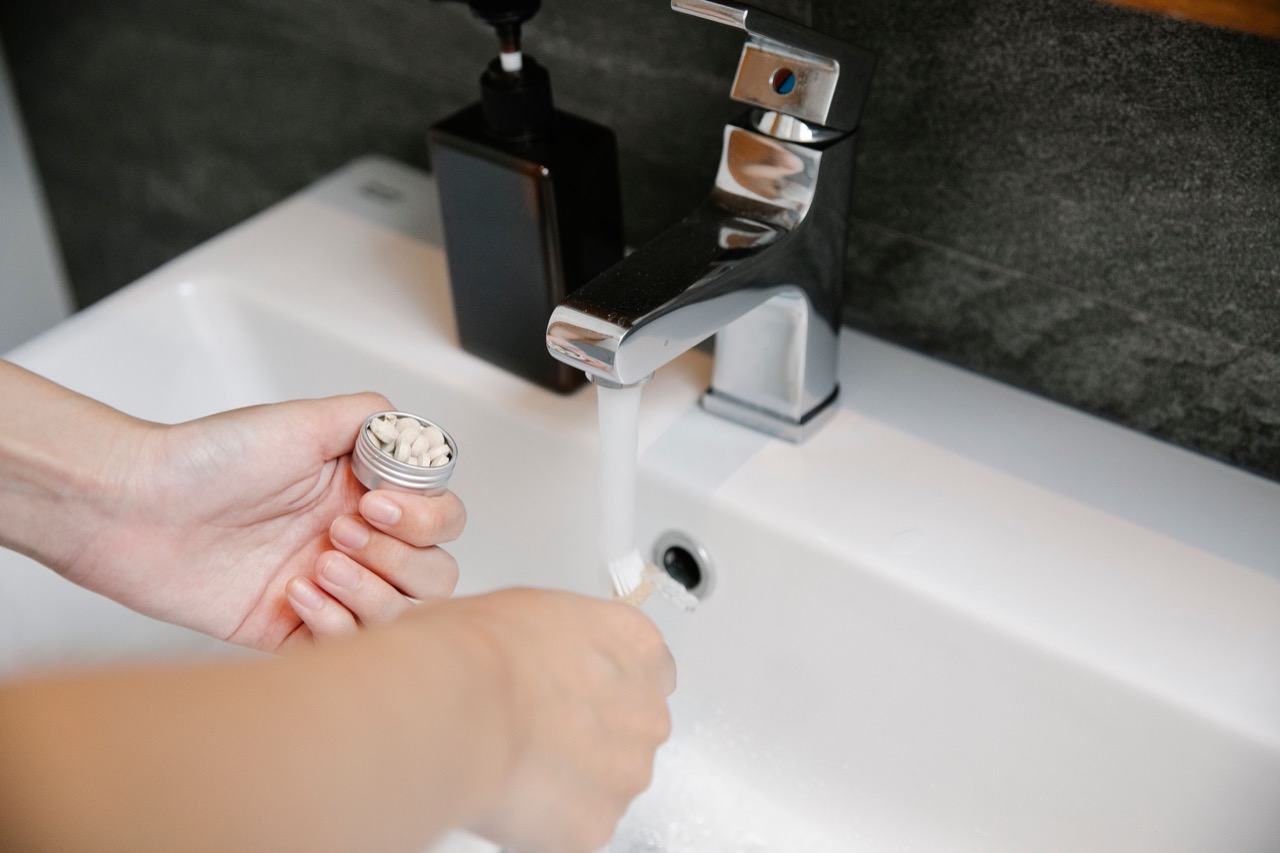
Chewable toothpaste — the tablet format that you bite, chew into a paste, and brush with — has moved from novelty to real category. But it’s still early enough that most brands approaching it for the first time are learning how it differs from conventional toothpaste sourcing as they go rather than going in with a clear picture. That tends to produce delays, expensive reformulations, and products that don’t quite do what the brand wanted.
What follows is what I’d want a brand to understand before they start sourcing conversations for a custom chewable toothpaste product.
The Texture Development Problem Is Real
Conventional toothpaste texture is managed in a hydrated system — the viscosity and feel are controlled through the gel or paste base, and adjustments can be made at the blending stage. Chewable tablets are dry-compressed powder, and texture development happens through a different mechanism entirely.
The chew experience — how hard the tablet is initially, how quickly it breaks down, what the in-mouth texture feels like as it transitions to paste — is determined by the binder and filler system, the compression force used in tableting, and the particle size of the abrasive and other powder components. Getting all three right for a specific texture target requires iteration. A tablet that chews well in isolation may create a paste that feels gritty on the brush; a tablet formulated to produce a smooth paste may be too hard or too chalky to chew comfortably in the first place.
The brands that have successfully launched chewable products budgeted for multiple prototype rounds and treated sensory evaluation — actual human chewing and brushing — as a core part of the development process rather than an afterthought. Manufacturers who understand this will have sensory protocols already in place. Those who don’t will be trying to learn it on your product.
Foam Level Is a Product Decision That Affects Formula
Chewable toothpaste buyers fall into roughly two camps on foam: some actively want a low-foam or no-foam experience because they associate heavy foam with SLS and artificial ingredients, while others find the absence of foam disorienting after a lifetime of paste. Which camp your target customer is in should inform the surfactant system before the formula is developed, not after.
Low-foam or foam-free formulations require different surfactant choices than conventional paste — sodium cocoyl glutamate and similar mild alternatives produce substantially less foam than sodium lauryl sulfate. They also behave differently in the tablet compression process and can affect how the tablet holds together and breaks down on chewing. A manufacturer who has worked on chewable formulas across both foam levels will know where the tradeoffs land; one who hasn’t will be working through them in real time.
Getting clarity on the foam question early saves a reformulation cycle later. It also forces the positioning decision that should drive everything else: is this product for the ingredient-conscious buyer who sees low-foam as a signal of clean formulation, or is it for the mainstream consumer who wants familiar brushing feel in a more sustainable format?
Flavor Carries More Weight in a Chewable Than in Paste
In conventional paste, the flavor is present from the moment you open the tube and persists throughout brushing. In a chewable tablet, the flavor release happens in two stages: the chew phase, where the initial flavor impression forms, and the brush phase, where the diluted flavor continues through the mouth for the duration of brushing.
These two stages can have different sensory requirements. A mint that’s pleasant and appropriately strong in the chew phase can become overwhelming when worked through the mouth during brushing; a flavor calibrated to be pleasant across a two-minute brush can feel weak in the first few chews. Managing this requires sensory evaluation through the full use sequence, not just a flavor intensity check on the raw tablet.
There’s also a stability dimension. Chewable tablets are often stored in metal tins or glass jars that allow some air exchange, and volatile flavor compounds can migrate out of the tablet matrix over the product’s shelf life. A tablet that smells and tastes right at production can have noticeably reduced flavor intensity after six months in a partially-opened tin. Manufacturers who have worked through this use encapsulated flavor systems for volatile compounds; those who haven’t may not flag it as a concern until you encounter it in field samples.
The Packaging Decision Affects More Than Aesthetics
The packaging choice for a chewable toothpaste product is entangled with the formula and the logistics in ways that aren’t obvious upfront.
Aluminum tins are the most common format, favored for their clean aesthetics and recyclability. They work well but create a specific handling experience — the user needs to open the tin, take out a tablet, close the tin, and use one hand to hold the toothbrush. Brands selling into the travel or on-the-go segment sometimes find that a resealable pouch or a dispensing format that allows one-handed tablet retrieval performs better for those use occasions.
Glass jars work similarly to tins and have strong premium positioning, but create fragility issues for e-commerce shipments and add shipping weight. Cardboard outer boxes with foil inner sachets are a lower-cost option that performs well on sustainability positioning but may not have the same shelf presence as a metal container.
The minimum order quantities for custom-printed packaging vary significantly by format. A tin with a printed lid has different MOQ requirements than a tin with a paper label; glass with a custom embossed finish requires longer lead times than a standard jar with a label. These are sourcing decisions that need to be made in conversation with the manufacturer, not after the packaging design is finalized.
What to Ask a Manufacturer Before Committing
The questions that reveal whether a manufacturer can actually deliver on a custom chewable product:
Can you share samples of existing chewable formulas across different texture targets? The samples should include at least two variants — one harder/denser and one more crumbly — so you can assess the range of what they can produce. A manufacturer without existing chewable formulas is starting from scratch on your project.
How do you handle sensory evaluation during formula development? The answer should describe a structured process — who chews and brushes through prototypes, what attributes they’re evaluating, and how feedback translates to formula adjustments. A process that relies on analytical specifications alone isn’t adequate for texture and flavor development.
What’s your minimum order quantity for the tablet production run, and what are the MOQs for the packaging formats you support? MOQ mismatches between the tablet run and the packaging are a common early surprise for brands that don’t ask this question upfront.
Working with a manufacturer who already has established custom chewable toothpaste formulas in production shortens the development timeline and reduces the risk of arriving at launch with a product that hasn’t fully solved the texture and flavor problems. The questions above are how you tell the difference before you’ve committed to a development agreement.
Realistic Timeline Expectations
Brands coming from conventional toothpaste sourcing sometimes underestimate how long a custom chewable development takes. The tablet compression and sensory evaluation cycles add time that doesn’t exist in paste production.
A realistic timeline from initial brief to approved production samples runs four to six months for a brand working with a manufacturer who has existing chewable capability. Starting from scratch with a manufacturer who’s learning the format adds two to four months on top of that. Stability testing — which should include at least a sixty-day ambient storage evaluation of sensory properties before launch — adds further time if it isn’t being run in parallel with the development cycle.
Brands that launch chewable products on compressed timelines often do so with products that have passed specification testing but haven’t been evaluated through the full shelf-life cycle. The flavor attenuation and texture changes that show up after three months of real-world storage are the things that generate the negative reviews that are hard to recover from in a category where community word-of-mouth moves fast. Building the time for stability evaluation into the project plan from the start is simpler than managing the reputation problem that comes from skipping it.