10 Ways to Get Rid of Odors in Your Water Bottle (That Actually Work)
If you’ve ever opened a water bottle that’s been sitting in your bag for a few days, you know the smell. Even a bottle that looks clean can develop a stale, musty, or sour odor over time — especially if you’ve been filling it with coffee, tea, protein shakes, or anything other than plain water.
The good news is that most odors can be removed with things you already have at home. Here are ten methods that work, ranging from the quickest fixes to the more stubborn cases.
1. White Vinegar and Hot Water
This is the go-to for most bottle odors. Fill the bottle halfway with hot water, add two to three tablespoons of white vinegar, shake it well, and let it sit for 15–20 minutes before rinsing thoroughly. Vinegar breaks down the bacterial residue that causes most smells. It’s cheap, effective, and safe for stainless steel.
2. Rice and Hot Water
Add a small handful of uncooked rice to the bottle along with hot water, then shake vigorously. The rice acts as a mild abrasive, scrubbing the inner walls where odor-causing bacteria tend to cling. This works especially well on bottles with narrow openings that are hard to clean with a brush.
3. Baking Soda and Hot Water
Baking soda is a natural deodorizer. Add one to two teaspoons to your bottle, fill with hot water, and let it sit overnight. The longer the soak, the better. Rinse well in the morning. For persistent smells, you can make a paste with baking soda and water, apply it to the inside walls, and let it sit before scrubbing.
4. Salt and Hot Water
Coarse salt with hot water works similarly to rice — it’s abrasive enough to scrub the interior without scratching the stainless steel surface. Give it a good shake for a minute or two, then rinse.
5. Orange or Tangerine Peel
Drop a few pieces of citrus peel into the bottle with hot water and let it steep for an hour. The natural oils in the peel neutralize odors and leave behind a faint, clean citrus scent. It’s a gentler method that works well for mild smells.
6. Milk and Warm Water
This one sounds counterintuitive, but milk actually absorbs odors rather than adding to them. Fill the bottle halfway with warm (not hot) water and a small splash of milk, let it sit for 20 minutes, then rinse thoroughly. Make sure to clean it well afterward so the milk itself doesn’t become the problem.
7. Apple Peel
Apple peels work much like orange peels — place a few strips inside the bottle with water, leave for an hour, and rinse. The mild acidity helps neutralize odors without leaving a strong scent behind.
8. Toothpaste
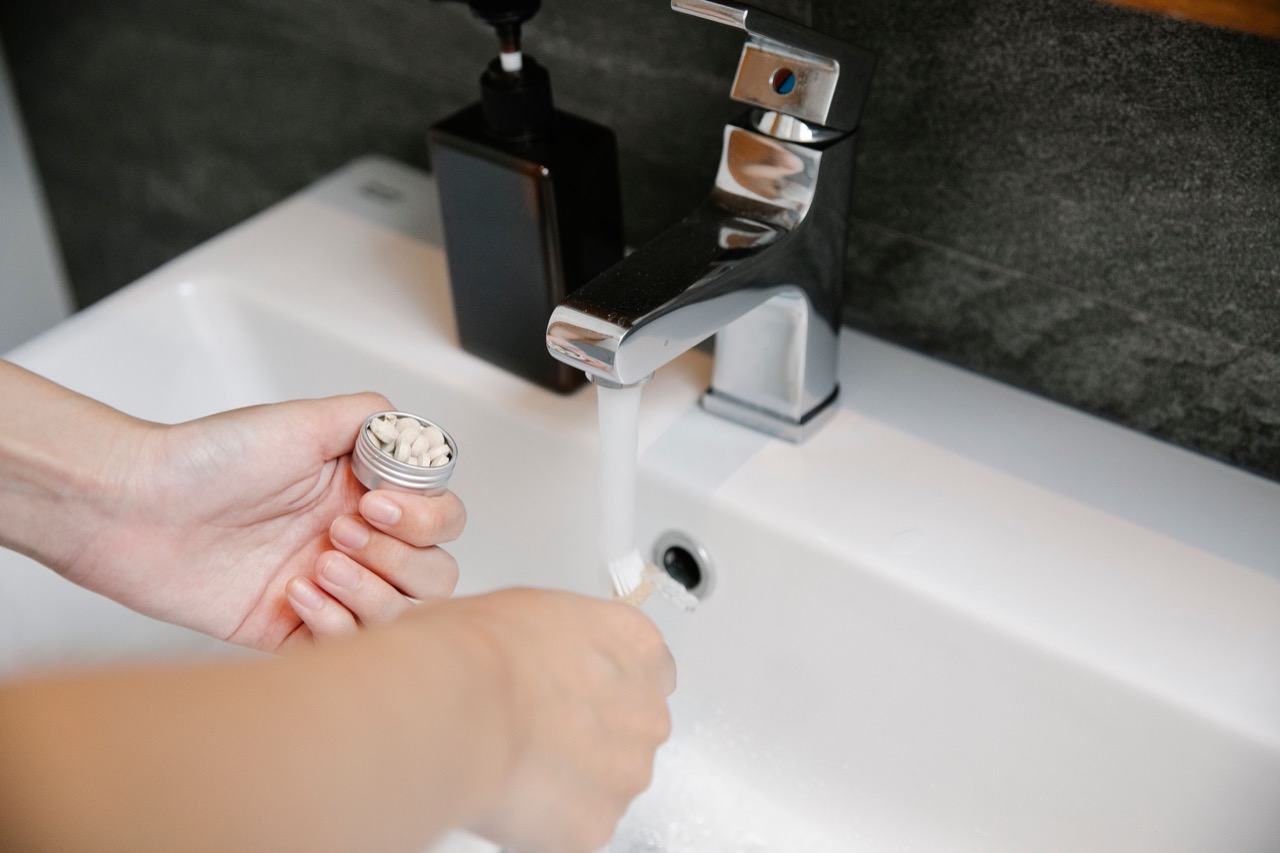
A small amount of non-gel toothpaste applied to the inside of the bottle and scrubbed with a bottle brush works well on stubborn smells. The mild abrasives and deodorizing agents in toothpaste are effective against residue that’s been building up over time. Rinse thoroughly to avoid any aftertaste.
9. Brewed Tea
Steeped tea — particularly green or black tea — has tannins that can absorb odors. Let a cup of cooled tea sit in your bottle for 30 minutes, then rinse. It won’t fully eliminate strong smells on its own, but works well for routine freshening.
10. Lemon Slices
A few slices of fresh lemon in hot water left to soak for an hour is one of the most pleasant-smelling solutions. Lemon’s natural acidity cuts through grease and residue while leaving a clean scent. It’s particularly good after coffee or tea.
Why Bottles Develop Odors in the First Place
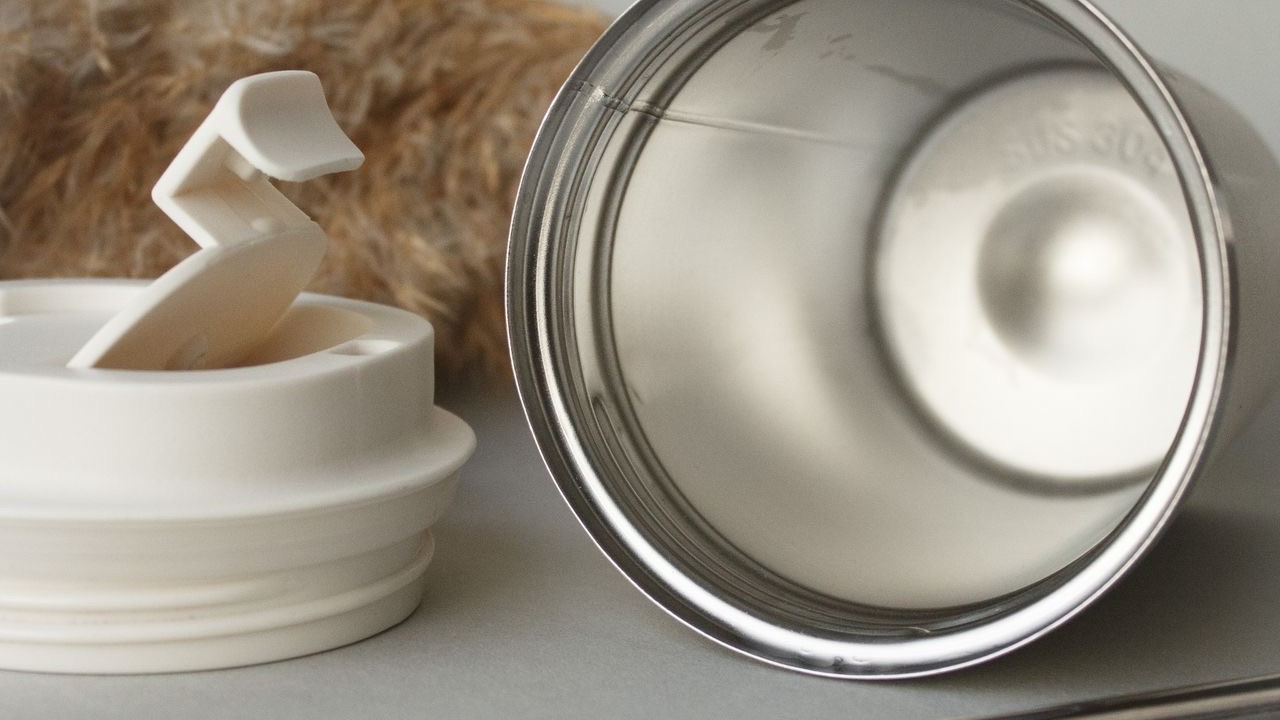
Most bottle odors come from bacterial growth in microscopic residue left on the interior walls, especially around the lid and seal. The double-wall vacuum construction of insulated bottles is excellent for temperature retention, but it also means moisture can get trapped in areas that are hard to reach.
One thing that makes a real difference is the quality of the interior coating and finish. A well-made bottle from a proper stainless steel water bottle factory will have a smooth, consistent interior surface that bacteria have a harder time clinging to — cheaper bottles with rough or uneven interiors trap residue more easily and develop odors faster.
A Few Habits That Help
Beyond cleaning methods, a few simple habits go a long way:
- Rinse after every use, even if you only had water in it
- Leave the lid off when storing so the interior can air out
- Clean the lid and seal separately — the gasket around the lid is a common odor source that gets overlooked
- Deep clean weekly if you’re using the bottle for anything other than plain water
Most odors are a cleaning problem, not a bottle problem. With any of these ten methods and a bit of consistency, even a well-used bottle can smell completely neutral again.